Book Review #1 – The Changing World Order by Ray Dalio
Ray Dalio’s The Changing World Order offers a compelling look at how economic cycles, debt crises, and power shifts have shaped the rise and fall of great nations throughout history. His core argument is sobering: America, like empires before it, is showing signs of decline—and China, he argues, is poised to rise.
While I disagree with some of Dalio’s conclusions, particularly his optimism about China, I found the book incredibly valuable. It was the first book I read cover to cover in my journey toward becoming an avid reader, and it left me with a deeper appreciation for the global forces shaping our future.
At over 550 pages, the book is dense but engaging. Dalio uses historical data, graphs, and extensive research to draw parallels between past empires (like the Dutch, British, and American) and today’s shifting balance of power. His thesis is built on what he calls the “Big Cycle”—a pattern of rising productivity, increasing debt, internal conflict, and eventual decline. It’s a model that, according to Dalio, the United States is dangerously close to completing.
Where Dalio loses me is in his bullish outlook on China.
He argues that China is rising efficiently due to strong leadership, long-term planning, and disciplined economic policy. But when you look closer, the cracks start to show—especially in the form of state-owned enterprises (SOEs). These SOEs dominate China’s infrastructure, utilities, energy, and other essential sectors. They are often run by Communist Party officials and operate under government incentives rather than market principles.
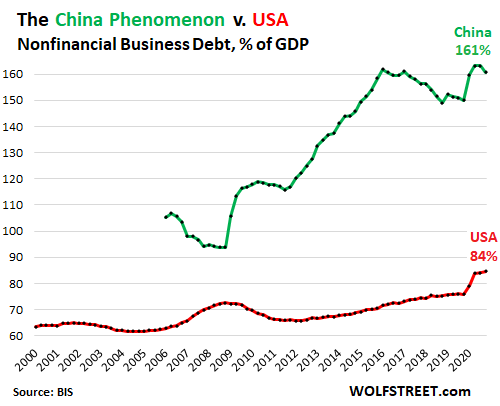
Here’s the problem: Many of these enterprises are highly indebted. According to the Institute of International Finance, China’s corporate debt (much of it tied to SOEs) reached over 160% of GDP in 2023, compared to about 81% in the U.S. What makes this dangerous is how these enterprises conceal losses. If one division (say, natural gas) underperforms, it might be subsidized by another (like electricity), masking the financial risk. Overinvestment in unprofitable infrastructure projects leads to maintenance cuts and increasing reliance on central bank bailouts. Without reform—like separating these enterprises or enforcing market discipline—these debt problems could cascade through China’s economy.
In contrast, while the U.S. has its own fiscal challenges, its transparent markets, independent institutions, and flexible labor force offer resilience that China’s centralized model lacks.
Yet where Dalio really succeeds is in highlighting the importance of education—though he doesn’t spend enough time exploring it. Education, as he alludes to, is foundational to a nation’s long-term strength. It fuels innovation, improves civic awareness, and creates the conditions for upward mobility. A well-educated population makes for smarter policies and more informed citizens.
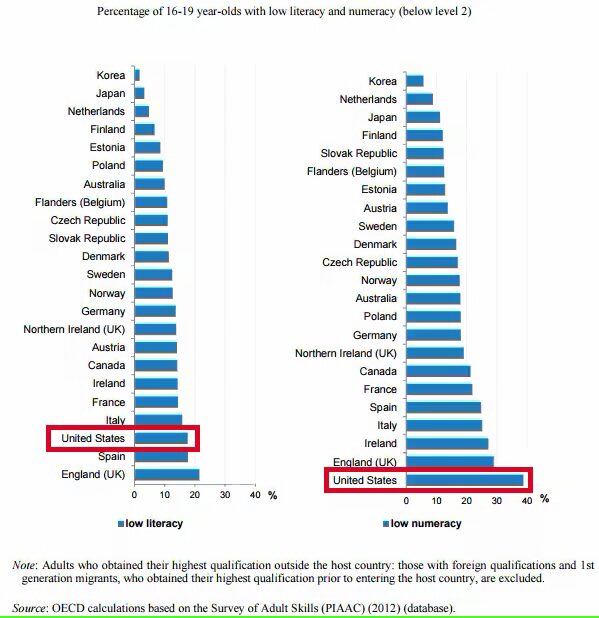
In the U.S., however, educational inequality threatens that very engine of growth. According to the National Center for Education Statistics, about 21% of American adults struggle with basic literacy skills. Furthermore, students in low-income districts often receive significantly less per-pupil funding than their peers in wealthy communities, leading to gaps in opportunity, achievement, and long-term earnings.
These gaps don’t just affect individuals—they impact national productivity. A less educated workforce means fewer qualified candidates for high-skill jobs, from engineers to doctors. As supply drops and demand rises, prices soar. For example, the average cost of a medical visit in the U.S. has more than doubled in the past 20 years, largely because of provider shortages and heightened pharmaceutical costs. That cost is borne disproportionately by low-income families, deepening inequality and fueling division.
Dalio’s warning is clear: without strong institutions and a cohesive national strategy, even the most powerful nations decline. I’d argue that America’s greatest chance at reversing its trajectory doesn’t lie in competing with China dollar-for-dollar—it lies in fixing what’s broken at home, starting with education.
Final Thoughts:
Ray Dalio is a brilliant thinker and storyteller. The Changing World Order is not just a book about finance or geopolitics—it’s a roadmap of the forces that shape our world. While I believe his optimism about China is overstated and his doubts about America too grim, the book serves as a powerful call to action. If we can rebuild our education system, we can rewrite our future—and maybe avoid the fate of fallen empires.
To purchase Ray Dalio’s book, go to principles.com and follow the buy now links.
To see more book reviews, click here