In the 1860s and 1870s, the spirit of Manifest Destiny pushed westward alongside railroad tracks and waves of immigration. The federal government supported this expansion by passing the Homestead Act in 1862, signed into law by President Abraham Lincoln. It offered land to American citizens for a fraction of the cost compared to states like Ohio or New York. This resulted in vast, rural communities forming across Western America.
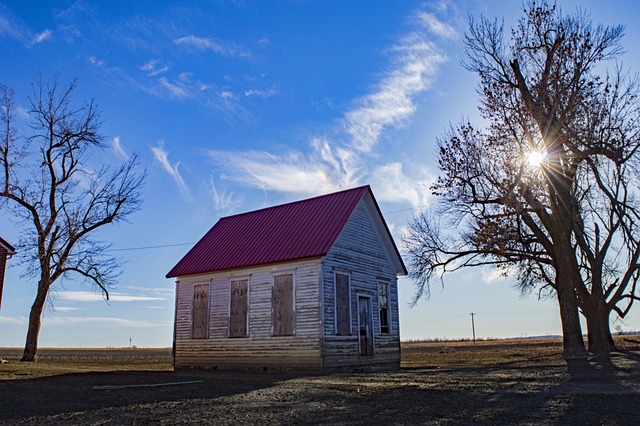
Families settling these regions were often poor and lacked access to basic resources, especially education. Still, due to newly introduced education policies in the 1870s, they were required to provide schooling. The solution was the one-room schoolhouse, a simple structure staffed by one or two teachers.
Surprisingly, the core structure of that 19th-century system has barely changed in over 150 years. A teacher at the front, students in rows, lessons taught from a textbook, a board, and obedience driven instruction. This format still defines much of public education today. The only significant difference is that schools have grown larger and introduced subject-specific teachers.
Meanwhile, society has transformed in unimaginable ways: the lightbulb, the atomic bomb, the internet, and the smartphone have revolutionized how we live and work. And yet, our education system remains stuck in the 1870s.
Educators Are Doing More With Less
Incredible teachers have tried to innovate within this outdated system. Some write their own books, others use their own money to decorate classrooms or fund creative projects.
One teacher from my childhood spent over $500 publishing a book that our class wrote and illustrated. She gave free copies to students whose families couldn’t afford them, absorbing a $150 loss. Thankfully, she could afford it, but not every teacher can. This reflects a broader truth: students in wealthier communities tend to receive better, more engaging educational experiences than those in under-resourced areas.
This imbalance places an unfair burden on educators and contributes to the profession’s declining reputation and retention rates. We need systemic reform starting with a complete rethinking of high school education.
Introducing the 3-School System
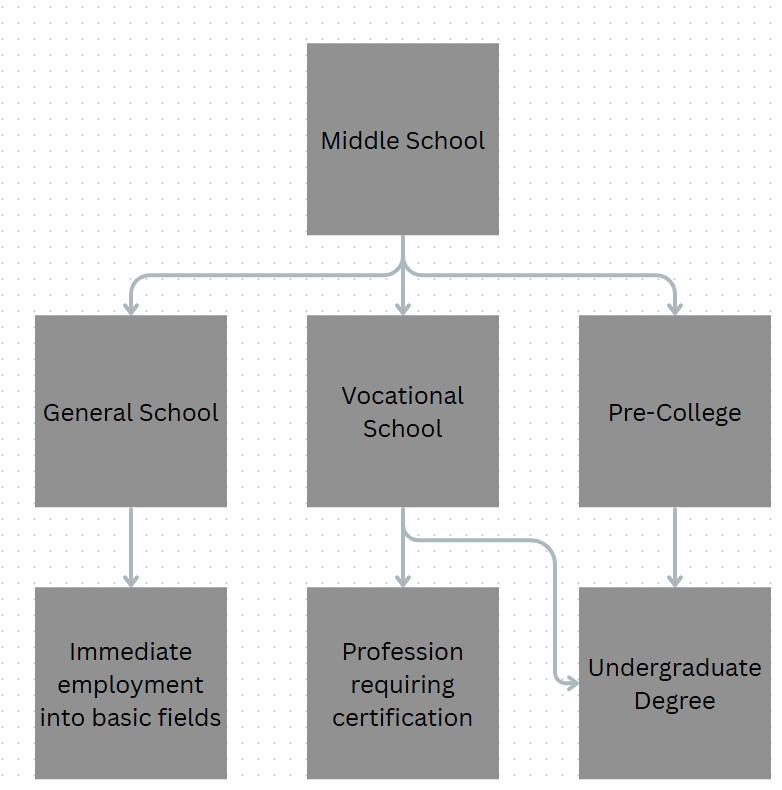
My proposal is simple in concept, but powerful in impact: a 3-School System that organizes high school students into three distinct pathways:
- General Schools
- Vocational Schools
- Pre-College Schools
Each school type prepares students for different futures, while still offering flexibility and cross-learning opportunities. The goal is to ensure every student graduates with the skills and knowledge most relevant to their aspirations and abilities.
Rethinking Middle School: A Time for Exploration
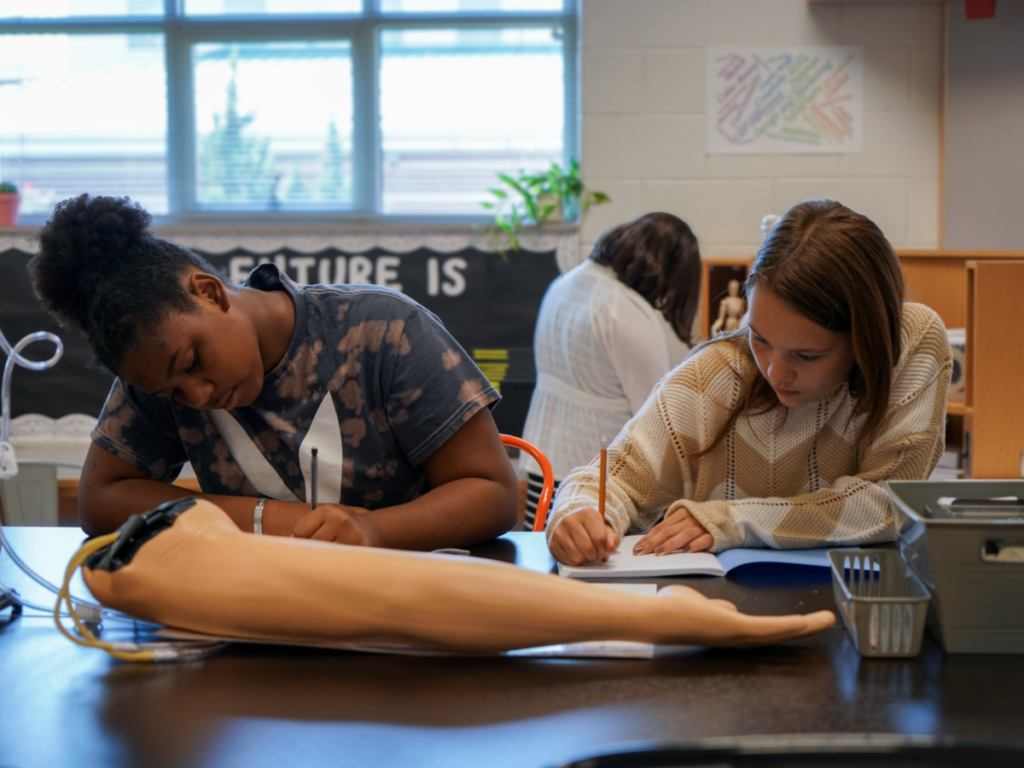
Before students enter the 3-school system, they’ll pass through a reformed middle school experience.
Middle school is often a chaotic and difficult time. But from that chaos comes potential. Rather than focusing only on prep for high school, middle school should be a low-pressure, hands-on exploration of real-world careers. Students will learn what engineers, carpenters, accountants, nurses, or writers do and try it out for themselves.
During this phase, students will be evaluated on:
- Aptitude
- Interest
- Performance on standardized tests, which they’ll be coached for in dedicated classes
Assessment will vary by track. For example:
- Vocational placement may include hands-on skill assessments
- Academic placement may focus more on traditional testing
- Exceptional classroom performance in relevant subjects will also count
The goal is twofold:
- Give families a realistic, data-informed picture of each student’s strengths
- Determine scholarships and eligibility for vocational or pre-college schools
Middle school becomes a time of discovery and decision-making not pressure and burnout.
General Schools
Open to all students and free for everyone.
General schools prepare students for careers in:
- Customer service
- Labor
- Childcare
- Hospitality and service industries
- Elementary teaching
- Operational management
Students can begin working part-time at age 16 while continuing their education. Courses include: Civics literacy, American history, second-language learning, economics, personal finance, and basic managerial skills.
These schools do not offer advanced STEM or liberal arts courses. Instead, they emphasize life skills like budgeting, credit, taxes, and job readiness—topics too often missing from today’s classrooms. The aim is to empower students with practical tools to avoid paycheck-to-paycheck living and build stable futures.
Vocational Schools
Available by aptitude testing or “pay-in” option (capped at 5% of local median income).
Pathways include:
- Electrician
- Plumber
- Welder
- Pilot
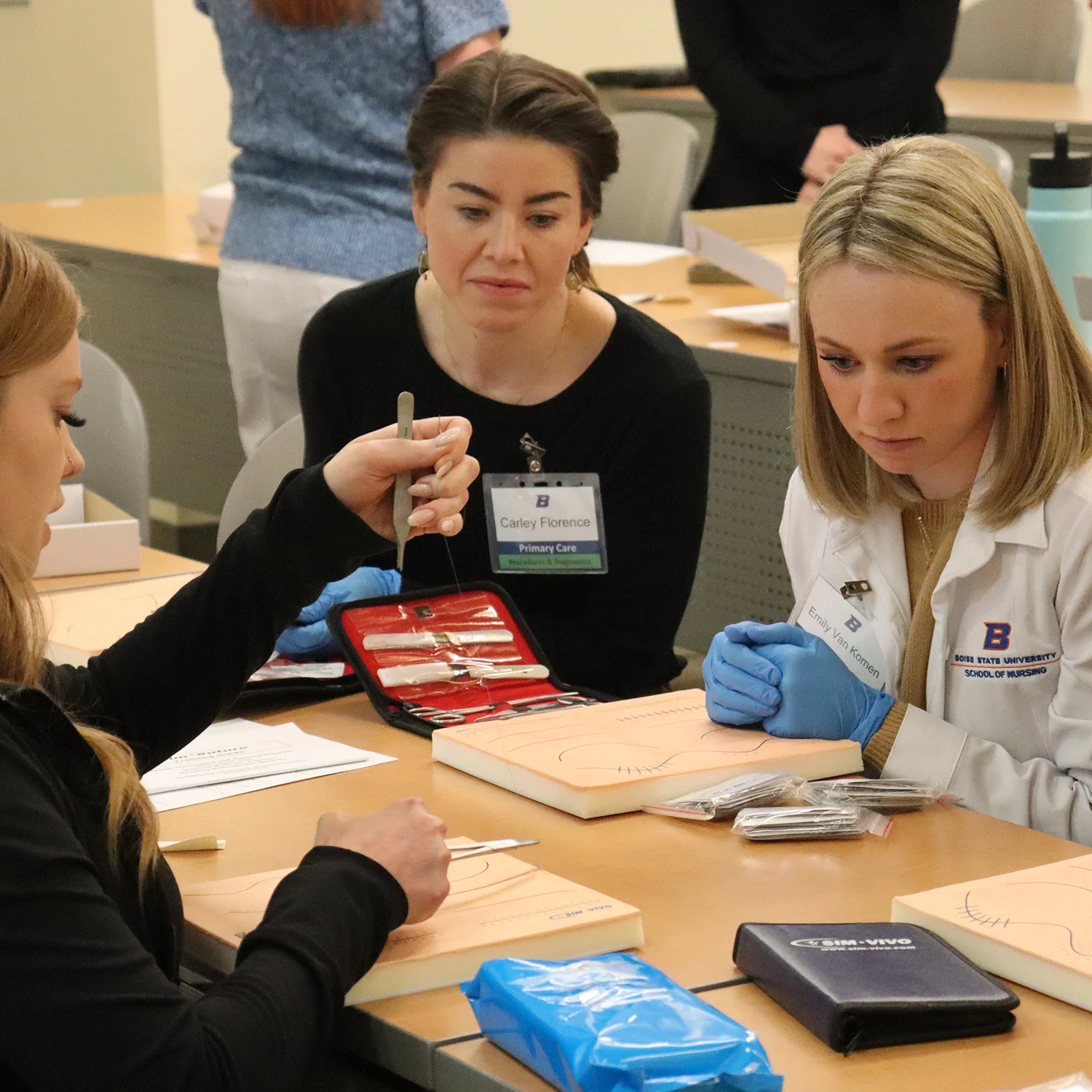
- Emergency medical services (EMT, CNA)
- Barber
- Vocational-level teaching
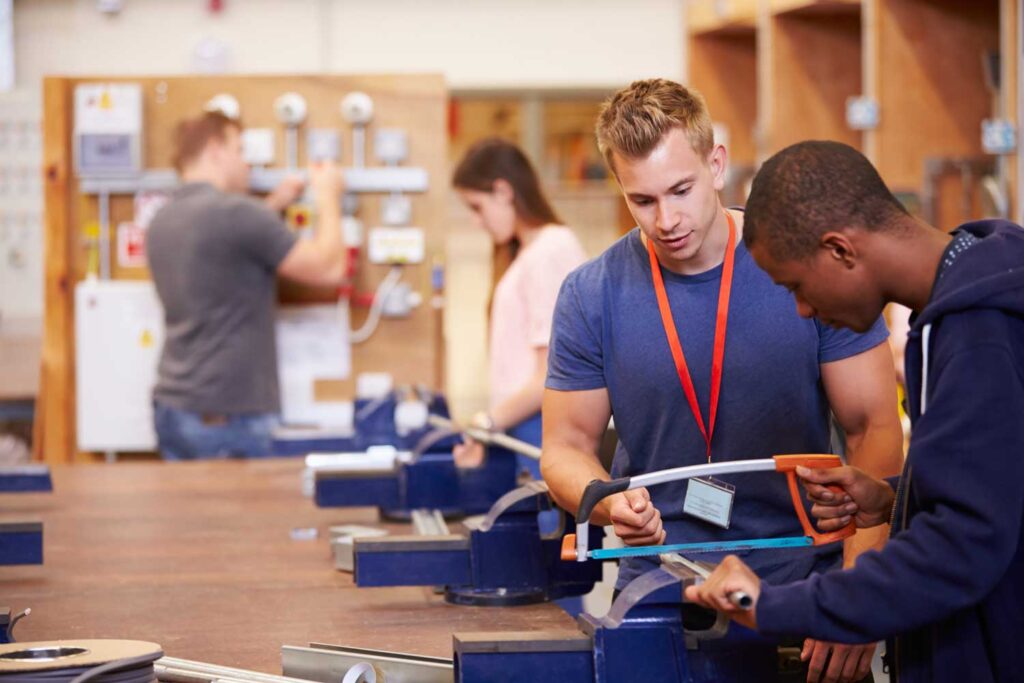
Structure:
- Years 1–2: General education plus introductory technical instruction
- Year 3: Focused training in a specific vocation
- Year 4: Part-time work in the chosen field + part-time schooling
These schools reflect the real-world path for many trades, where certification is required after high school. The system allows students to graduate ready to work, often without student debt, while still leaving the door open for future advancement.
Pre-College Schools
Reserved for academically high-achieving students through testing or pay-in (capped at 10% of median income).
Pathways include:
- Engineering
- Architecture
- STEM fields
- Strategic management
- Liberal arts
- Economics
- Higher education teaching
- Computer science

These schools are rigorous and fast-paced, akin to elite private schools, but accessible through merit and affordability. They offer:
- Advanced placement courses
- College entrance prep (SAT/ACT coaching)
- Research and major exploration classes
- Structured guidance on choosing careers and colleges
Pre-college schools help our most academically gifted students realize their full potential and transition seamlessly into higher education.
A System Built on Merit, Not Wealth
Too many high-potential students, especially those from underprivileged backgrounds, are being left behind. The current one-size-fits-all model doesn’t serve their needs, and it doesn’t prepare the workforce we’ll need in the 21st century.
The 3-School System creates a flexible, equitable, and merit-based education structure that prepares every student for success, whether that means entering the workforce, a trade, or a university.
This is how we build a better, smarter, more resilient America starting with our schools.